

Tea is more than just a beverage; it’s a cultural experience that varies dramatically around the globe.
From the tranquil tea ceremonies of Japan to the vibrant chai stalls of India, each country has its own unique way of preparing and savoring this beloved drink.
In this article, we’ll guide you through 12 national teas, revealing authentic recipes and preparation rituals that will transport you to these far-off lands.
Join us as we steep ourselves in the diverse world of tea, learning not only the recipes but also the stories and traditions behind them.
1. Japanese Matcha: The Art of Tea Ceremony
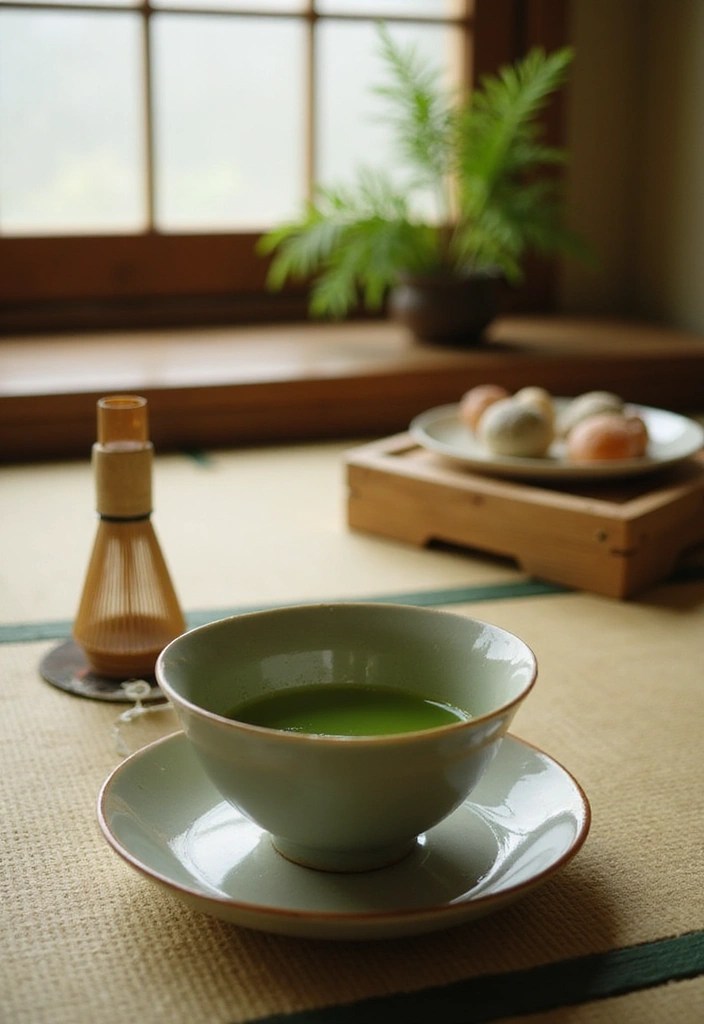
In Japan, matcha is revered, not just as a drink, but as an experience steeped in tradition.
The tea ceremony, or ‘Chanoyu’, emphasizes harmony, respect, purity, and tranquility. This meticulous ritual involves whisking powdered matcha with hot water to create a frothy, vibrant green beverage.
The preparation is a performance in itself, showcasing the beauty of simplicity and mindfulness.
To prepare matcha like a local, start by selecting high-quality matcha powder and using a bamboo whisk. The experience is enhanced when enjoyed with traditional Japanese sweets, known as ‘wagashi’.
Traditional Japanese Matcha Preparation (Quick Recipe):
1. Sift 1–2 teaspoons of matcha into a bowl.
2. Add 60–70 ml of hot water (around 80°C / 175°F).
3. Whisk vigorously in a “W” motion using a bamboo whisk (chasen) until a thick foam forms.
4. Enjoy immediately, optionally paired with traditional sweets (wagashi).
2. Chinese Gongfu Tea: Mastering the Art of Brewing
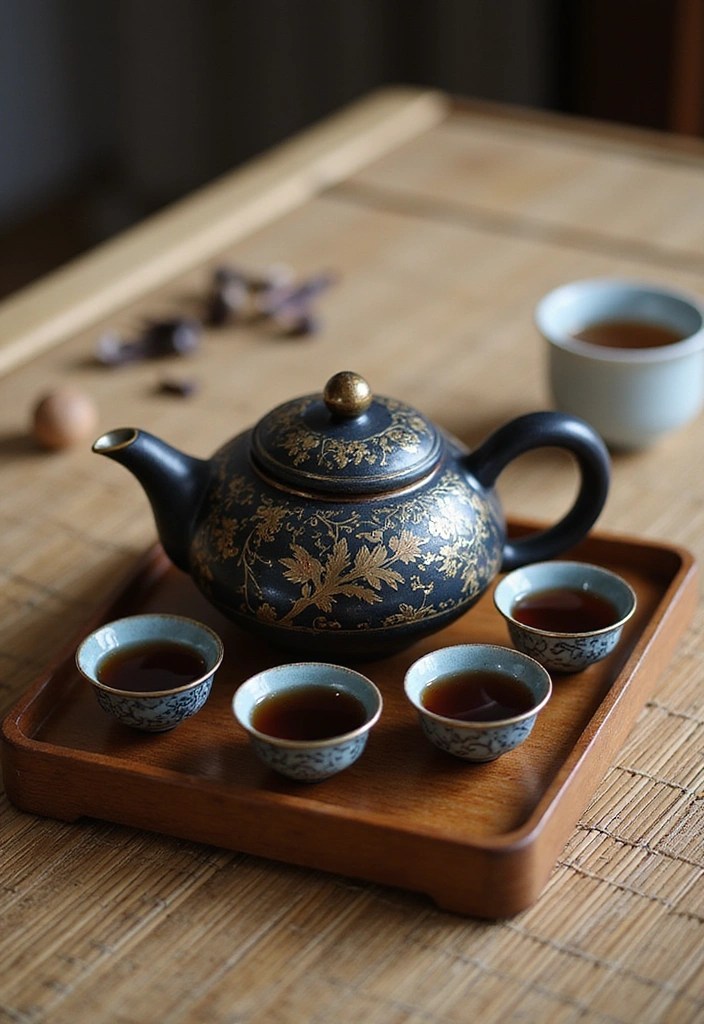
China’s Gongfu tea ceremony is a meticulous process that highlights the beauty of tea leaves and the skill of the brewer.
This method, which translates to ‘making tea with skill’, involves multiple short infusions of high-quality loose leaf tea, often oolong or pu-erh.
The ritualistic process emphasizes the flavors that evolve with each steeping, encouraging drinkers to savor each cup.
You’ll need a small teapot, a fair amount of tea leaves, and boiling water, poured with precision to draw out the best flavors. The experience is both communal and meditative, often enjoyed with friends.
Gongfu Tea Preparation (Short Version in English):
1. Heat a small teapot or gaiwan and cups with hot water.
2. Add 5–8g of loose leaf oolong or pu-erh tea.
3. Rinse the leaves quickly with hot water, then discard.
4. Steep the tea for 10–20 seconds, then pour into small cups.
5. Repeat multiple short infusions, slightly increasing steep time each round.
Each brew reveals new flavors — sip slowly and enjoy the ritual.
3. Indian Masala Chai: A Spiced Delight
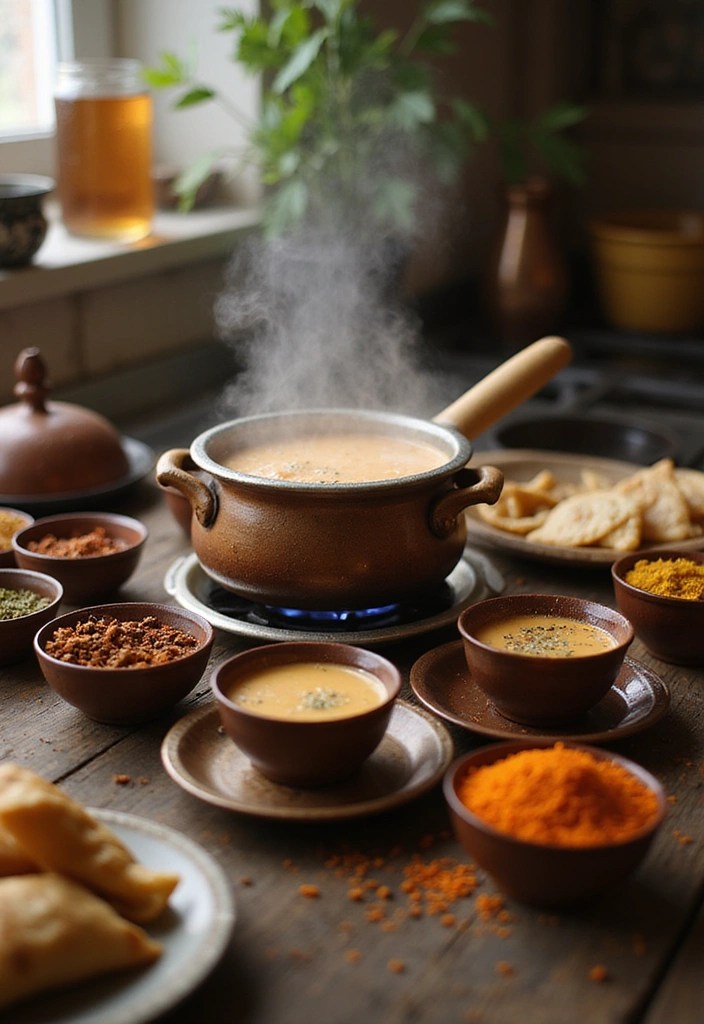
India’s beloved masala chai is a fragrant blend of black tea, milk, and a variety of spices that can include ginger, cardamom, and cloves.
This comforting drink is often brewed in the morning and enjoyed throughout the day, reflecting the warmth and hospitality of Indian culture.
Making masala chai involves simmering tea leaves with milk and water, adding spices for a rich, aromatic flavor.
The process is often shared, as family and friends gather to enjoy this flavorful beverage. Serve with biscuits or savory snacks for a complete experience.
Here’s the short recipe for making masala chai:
1. In a pot, combine 1 cup of water and 1 cup of milk.
2. Add 1-2 teaspoons of black tea leaves (or a few tea bags).
3. Add spices to taste: 1-2 cloves, 2-3 cardamom pods, a small piece of ginger, and sugar to your liking.
4. Bring the mixture to a boil and simmer for 5-7 minutes.
5. Strain the tea and serve hot with biscuits or snacks.
Enjoy your aromatic beverage!
4. Moroccan Mint Tea: The Sweet Elixir
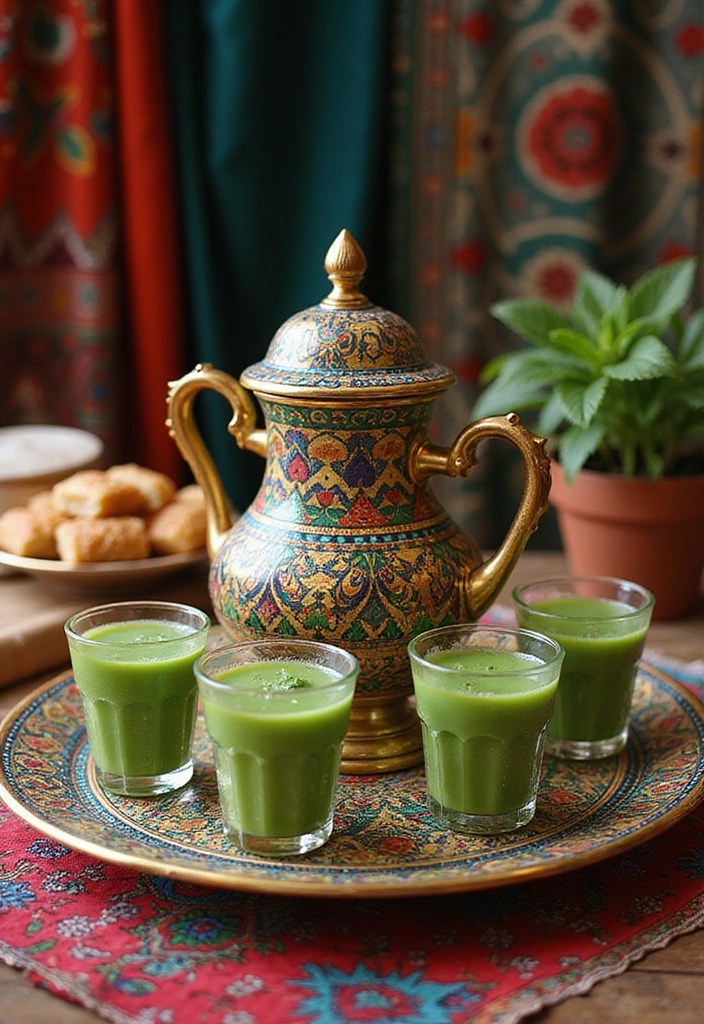
Moroccan mint tea, known as ‘Moroccan whiskey’, is a symbol of hospitality in Moroccan culture.
This sweet and refreshing drink combines green tea with fresh mint leaves and plenty of sugar, creating a delightful beverage enjoyed at any time of the day.
The preparation involves pouring the tea from a height, aerating it to create a frothy top.
Served in ornate glasses, it’s often accompanied by sweets or pastries, making it a perfect treat for gatherings.
Here’s a short recipe for Moroccan mint tea:
1. Boil 2 cups of water and pour it over 1-2 teaspoons of green tea leaves in a teapot.
2. Let it steep for 2-3 minutes, then strain the tea.
3. Add a handful of fresh mint leaves and 4-5 tablespoons of sugar (adjust to taste).
4. Pour the tea back into the teapot, and then pour it from a height into glasses to create a frothy top.
5. Serve in ornate glasses, and enjoy with sweets or pastries.
Enjoy your refreshing Moroccan mint tea!
5. British Afternoon Tea: A Timeless Tradition
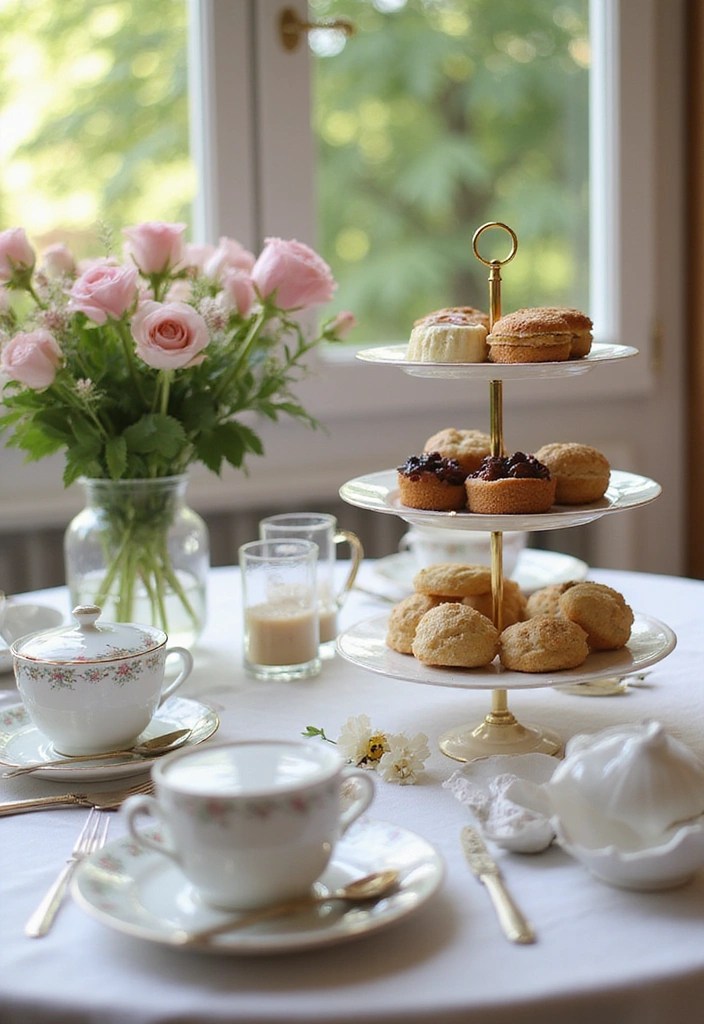
Afternoon tea in Britain is a cherished ritual, dating back to the 19th century.
This elegant affair typically includes a selection of teas, sandwiches, scones with clotted cream and jam, and an assortment of pastries.
The key to a perfect afternoon tea is the quality of the tea served, which is often a robust black tea like Earl Grey or English Breakfast.
The experience is as much about the presentation as it is about the taste, making it a delightful way to spend an afternoon with friends.
Here’s a short recipe for a traditional British afternoon tea:
1. Brew a strong pot of black tea, such as Earl Grey or English Breakfast. Use 1 teaspoon of tea leaves per cup of water.
2. For sandwiches, prepare simple fillings like cucumber, smoked salmon, or egg and cress on soft white or whole grain bread.
3. Bake or buy scones and serve with clotted cream and strawberry jam.
4. Add an assortment of pastries, such as shortbread, cakes, or biscuits.
5. Serve everything on a tiered tray for an elegant presentation and enjoy with friends.
Make sure to enjoy your afternoon tea with a relaxed atmosphere, perfect for conversation!
6. Russian Samovar Tea: A Steeped Tradition
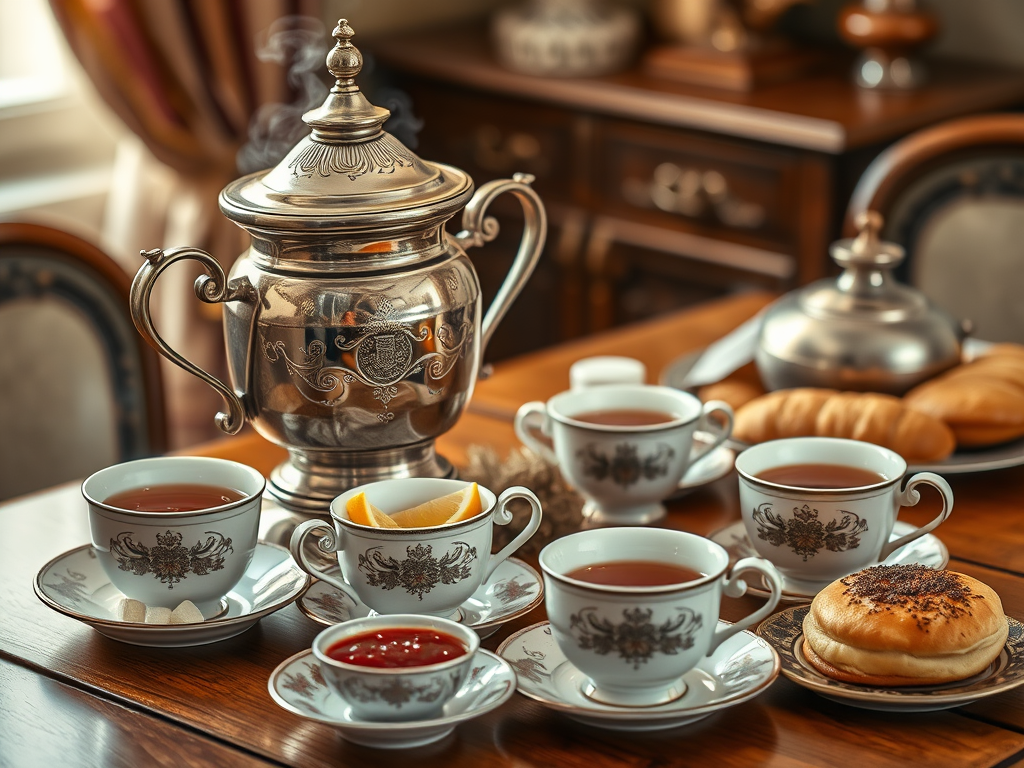
In Russia, tea is often brewed using a samovar, a traditional vessel that holds both water and tea.
The process involves brewing a concentrated tea and then diluting it with hot water from the samovar.
This creates a unique flavor profile and allows for customization, as each drinker can adjust the strength to their liking.
Served with lemon, sugar, or jam, Russian tea is a social affair, often accompanied by sweet and savory snacks.
Here’s a short recipe for traditional Russian tea brewed with a samovar:
1. Fill the samovar with water and bring it to a boil.
2. In a separate teapot, brew a concentrated tea using loose tea leaves or tea bags. The tea should be much stronger than regular tea.
3. Pour the brewed tea into cups, and dilute it with hot water from the samovar to your desired strength.
4. Serve with lemon, sugar, or jam for sweetness. Traditional Russian snacks like pastries or savory pies are often served alongside.
Enjoy your tea with friends or family in the relaxed, social atmosphere of Russian tea time!
7. Turkish Çay: A Strong Brew
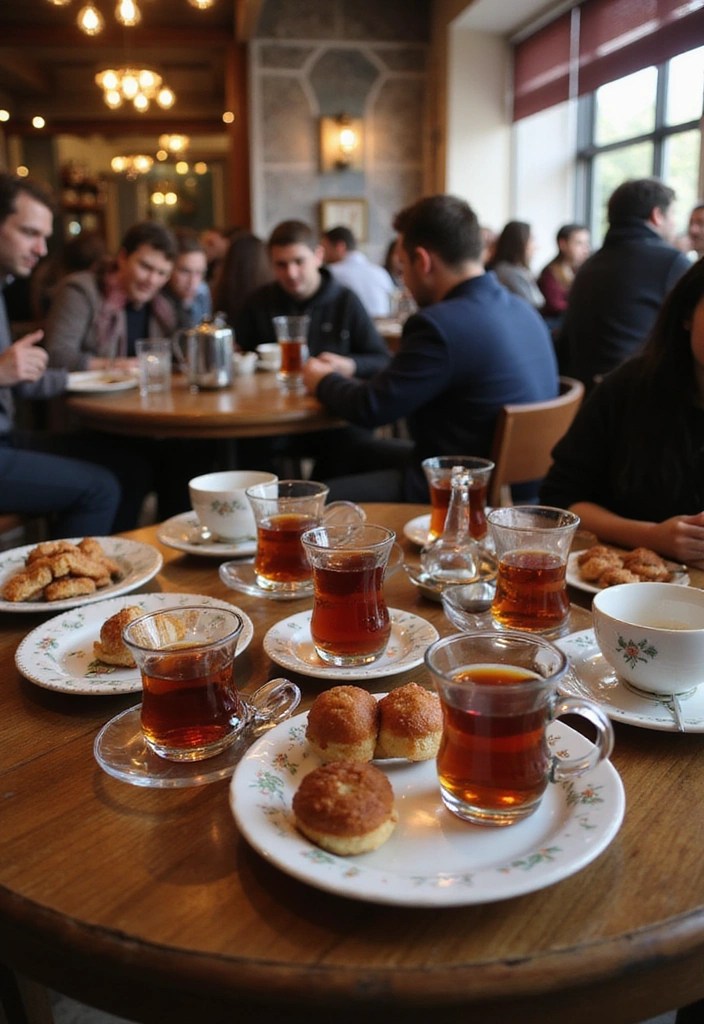
Turkish tea, or ‘çay’, is a strong black tea served in small tulip-shaped glasses, reflecting the country’s rich tea culture.
The brewing process involves using a double teapot, where tea is steeped in the upper pot and diluted with hot water from the lower pot.
This method allows for a strong flavor that can be adjusted to individual preferences.
Çay is often enjoyed throughout the day, accompanied by sweet treats or savory pastries.
Here’s a short recipe for preparing traditional Turkish tea (çay):
1. Fill the lower teapot with water and bring it to a boil.
2. In the upper teapot, add 2-3 tablespoons of loose black tea leaves.
3. Once the water in the lower teapot boils, pour a small amount of the hot water over the tea leaves in the upper teapot and let it steep for 10-15 minutes.
4. After steeping, pour the concentrated tea from the upper teapot into small tulip-shaped glasses, filling them about one-third full.
5. Dilute the tea with hot water from the lower teapot to your desired strength.
6. Serve with sugar or enjoy with traditional Turkish sweets or savory pastries.
Enjoy your Turkish çay at any time of the day, just like locals do!
8. South African Rooibos: A Herbal Delight
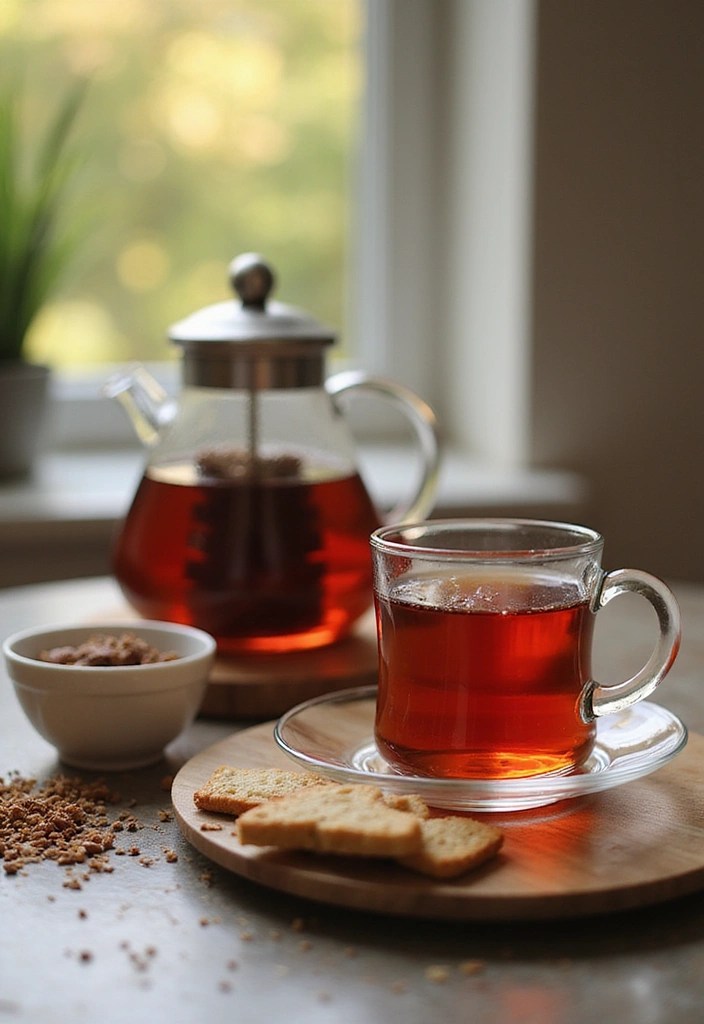
Rooibos tea, native to South Africa, is a caffeine-free herbal tea with a naturally sweet and nutty flavor.
Traditionally enjoyed with milk and sugar, rooibos can also be infused with spices or enjoyed plain.
Its rich red color and smooth taste make it a favorite for both locals and visitors.
Often served in the afternoon or evening, rooibos tea is a soothing beverage that promotes relaxation.
Here’s a simple recipe for preparing traditional Rooibos tea:
1. Boil water (about 240ml for one cup).
2. Add 1 teaspoon of loose rooibos tea leaves to your teapot or cup.
3. Pour the boiling water over the tea leaves.
4. Let the tea steep for 5-7 minutes to release its rich flavor.
5. Strain the tea and pour it into your cup.
6. Optional: Add milk, sugar, or a pinch of spices (like cinnamon or vanilla) for extra flavor.
Enjoy your soothing cup of Rooibos tea, perfect for relaxing in the afternoon or evening!
9. Taiwanese Bubble Tea: A Fun Twist

Originating from Taiwan, bubble tea is a playful blend of tea and milk, often combined with chewy tapioca pearls.
The drink comes in various flavors and can be served hot or cold, making it a versatile treat.
The fun of bubble tea lies in its texture and the ability to customize with different toppings like fruit jellies or pudding.
It’s a social drink, often enjoyed at tea shops with friends, making it a delightful experience for all ages.
Here’s a simple recipe for making bubble tea:
Ingredients:
– 1 cup of brewed black or green tea (cooled)
– 1/2 cup of milk (or dairy-free alternative)
– 1/4 cup of tapioca pearls
– 2 tablespoons of sugar (or sweetener of choice)
– Ice cubes
– Optional: Fruit jellies or pudding for extra toppings
Instructions:
1. Cook Tapioca Pearls:
– Boil water in a pot and add the tapioca pearls.
– Cook according to package instructions (usually about 10-15 minutes), then drain and rinse with cold water.
– Stir in sugar to sweeten the pearls.
2. Prepare the Tea:
– Brew your black or green tea and let it cool to room temperature.
– Mix in the milk and sugar until well combined.
3. Assemble the Drink:
– Add the cooked tapioca pearls to the bottom of a glass.
– Fill the glass with ice cubes.
– Pour the tea and milk mixture over the ice.
4. Optional Toppings:
– Add fruit jellies or pudding on top for an extra treat.
5. Serve:
– Stir well and enjoy your fun and refreshing bubble tea!
10. Thai Iced Tea: A Creamy Refreshment
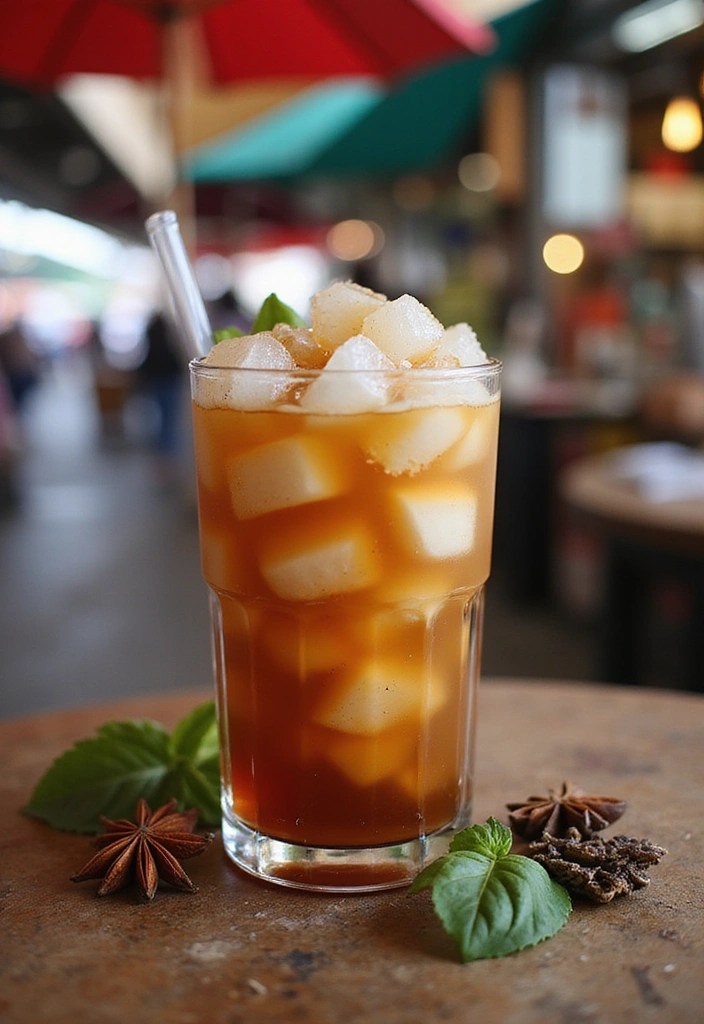
Thai iced tea is a sweet and creamy drink made from strongly brewed black tea, often flavored with spices and served over ice.
The unique blend of tea, sugar, and condensed milk creates a rich flavor profile that is both satisfying and refreshing.
Typically enjoyed on hot days, Thai iced tea is a popular choice in street food stalls and restaurants.
The vibrant orange color and creamy top make it visually appealing as well.
Here’s a recipe for making Thai iced tea:
Ingredients:
– 1 cup of strong brewed black tea (preferably Thai tea leaves)
– 2 tablespoons of sugar (adjust to taste)
– 3 tablespoons of condensed milk
– 3 tablespoons of evaporated milk (or coconut milk for a different flavor)
– Ice cubes
Instructions:
1. Brew the Tea:
– Brew the black tea strong by steeping it in hot water for about 5-7 minutes. If using Thai tea leaves, it gives the distinctive color and flavor.
2. Sweeten the Tea:
– Add sugar to the hot tea and stir until dissolved. Let it cool down to room temperature.
3. Prepare the Glass:
– Fill a tall glass with ice cubes.
4. Add Condensed Milk:
– Pour the cooled sweetened tea into the glass over the ice.
5. Add Creamy Layer:
– Slowly pour condensed milk and evaporated milk (or coconut milk) over the back of a spoon to create a creamy top layer.
6. Serve:
– Stir before drinking to mix the creamy milk with the sweetened tea, or leave it layered for a visually appealing effect. Enjoy your refreshing Thai iced tea!
11. Hibiscus Tea from Egypt: A Tangy Treat
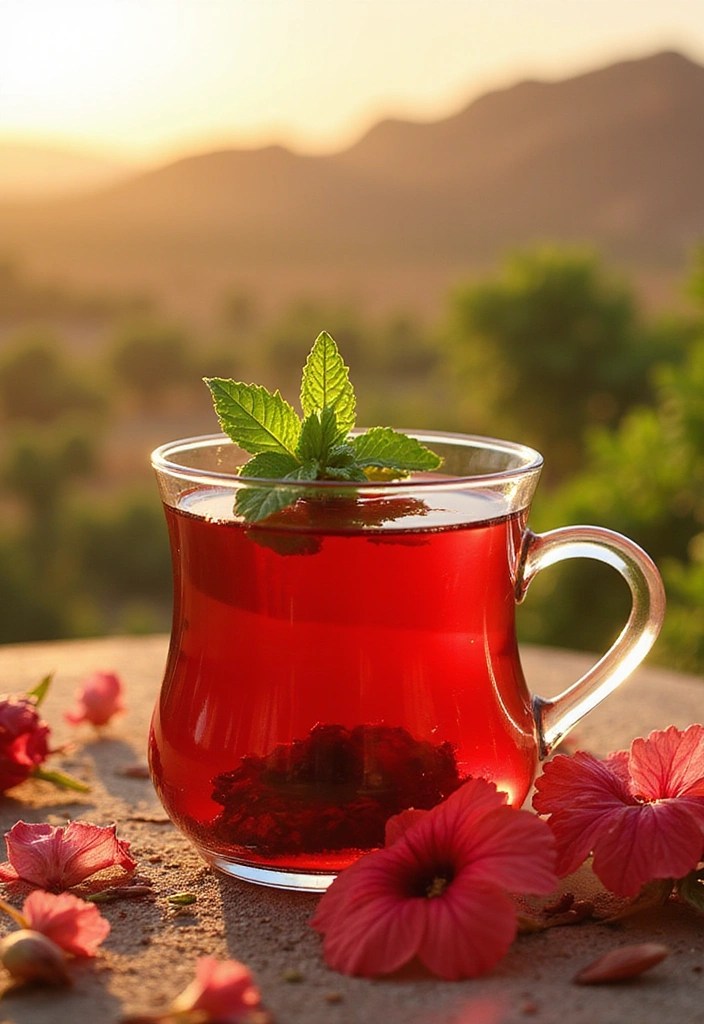
Hibiscus tea, known as ‘Karkade’ in Egypt, is a vibrant red drink made from dried hibiscus flowers.
This tangy and refreshing tea can be enjoyed hot or cold, often sweetened with sugar or honey.
Hibiscus tea is not only delicious but also packed with health benefits, making it a popular choice among locals.
It’s often served at celebrations, symbolizing hospitality and joy.
Hibiscus Tea (Karkade) Recipe:
Ingredients:
– 1-2 teaspoons dried hibiscus flowers
– 1 cup water
– Sugar or honey (to taste)
Instructions:
1. Brew the tea:
– Boil water in a kettle. Add the dried hibiscus flowers to a cup or teapot.
– Pour the boiling water over the flowers and let it steep for 5-7 minutes to achieve a rich red color and flavor.
2. Sweeten the tea:
– After steeping, add sugar or honey to taste, stirring well.
3. Serving:
– You can enjoy the tea hot or cool it down by adding ice for a refreshing drink on a hot day.
4. Garnishing:
– For an extra touch, add a few slices of lemon or fresh mint. Enjoy this refreshing beverage!
12. Peruvian Herbal Infusion: The Magic of Mate de Coca
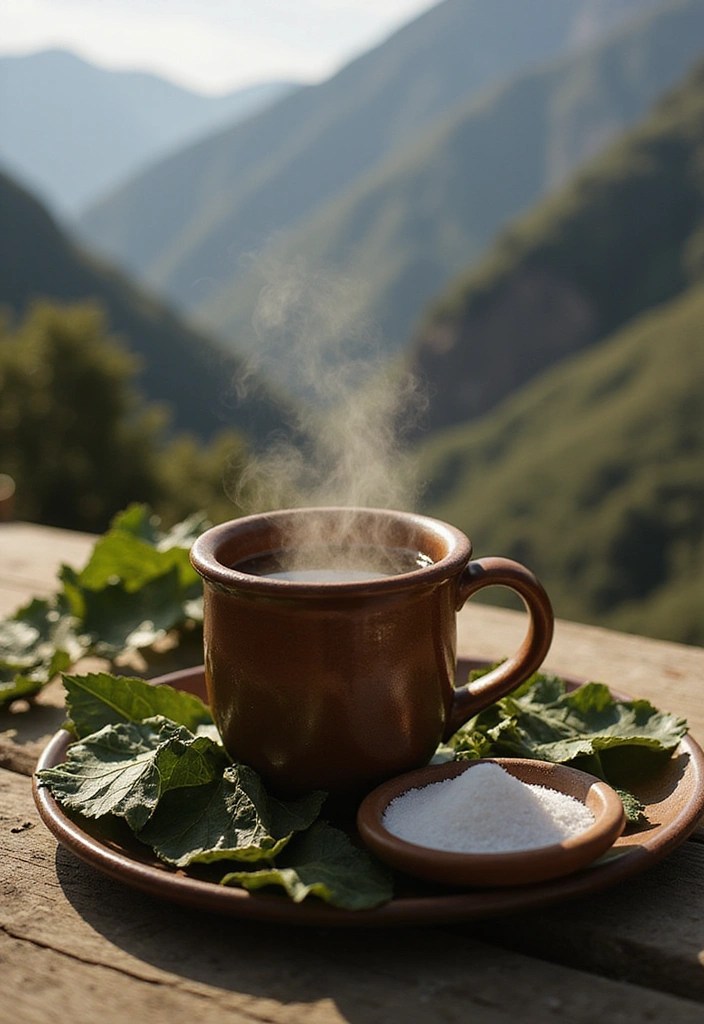
In Peru, mate de coca is a traditional drink made from coca leaves, known for its stimulating properties.
This herbal infusion is often brewed with hot water and enjoyed as a remedy for altitude sickness.
Coca leaves have a unique flavor, and the drink is often sweetened with sugar or honey.
It’s a cultural staple in the Andes, reflecting the indigenous practices and traditions surrounding coca leaves.
Mate de Coca Recipe:
Ingredients:
– 1-2 teaspoons dried coca leaves
– 1 cup hot water
– Sugar or honey (to taste)
Instructions:
1. Brew the tea:
– Boil water and place the dried coca leaves into a cup or teapot.
– Pour the hot water over the leaves and let them steep for 5-7 minutes.
2. Sweeten the tea:
– After steeping, add sugar or honey to taste, and stir well.
3. Serving:
– Drink while hot, typically as a remedy for altitude sickness or to enjoy its unique herbal flavor.
4. Optional:
– You can serve with a slice of lemon or enjoy it plain, as preferred.
Conclusion
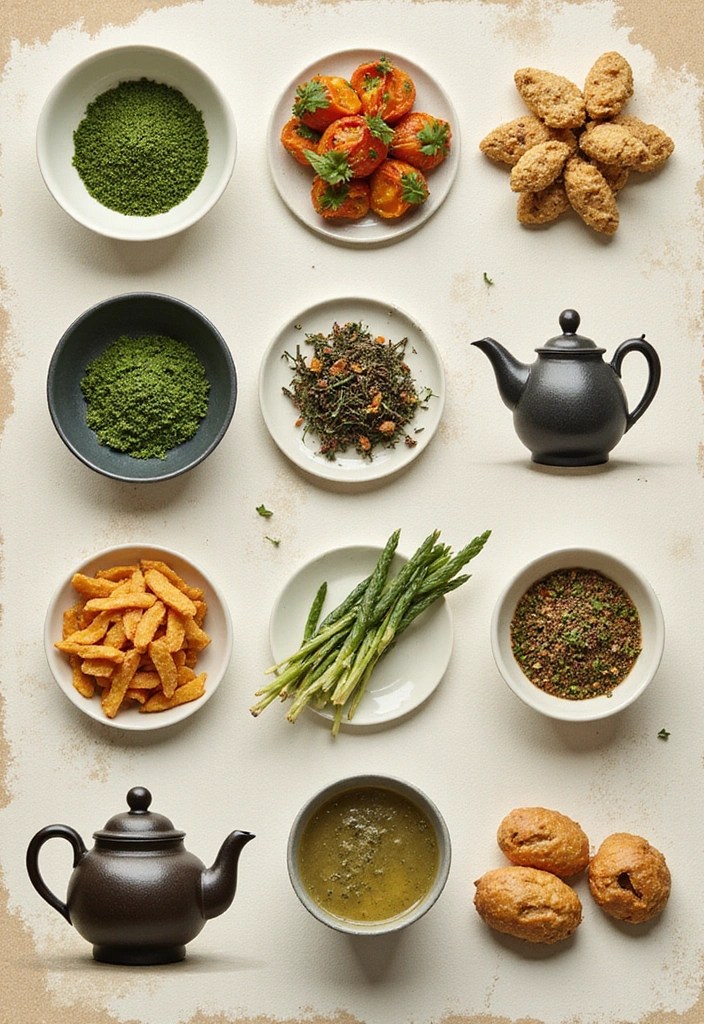
Exploring the world through its national teas offers not only a delightful experience for your taste buds but also a deeper understanding of different cultures.
Whether you’re whisking matcha in Japan or savoring masala chai in India, each tea tells a story of tradition, flavor, and community.
As you venture into these recipes, remember that the joy of tea lies in the connections it fosters and the moments it creates.
 Blogtent – Relevant, Useful, Tasty, Beautiful, and Interesting
Leave a comment