

Riding a motorcycle is exhilarating, but it comes with its risks.
Every motorcyclist should prioritize safety and be proactive about accident prevention to ensure their ride remains a joy rather than a peril.
In this listicle, we’ll uncover 19 essential tips that every rider should keep in mind to boost their awareness and enhance riding safety.
From the gear you wear to the habits you develop on the road, these insights will empower you to ride smart and stay safe.
1. Always Wear Protective Gear
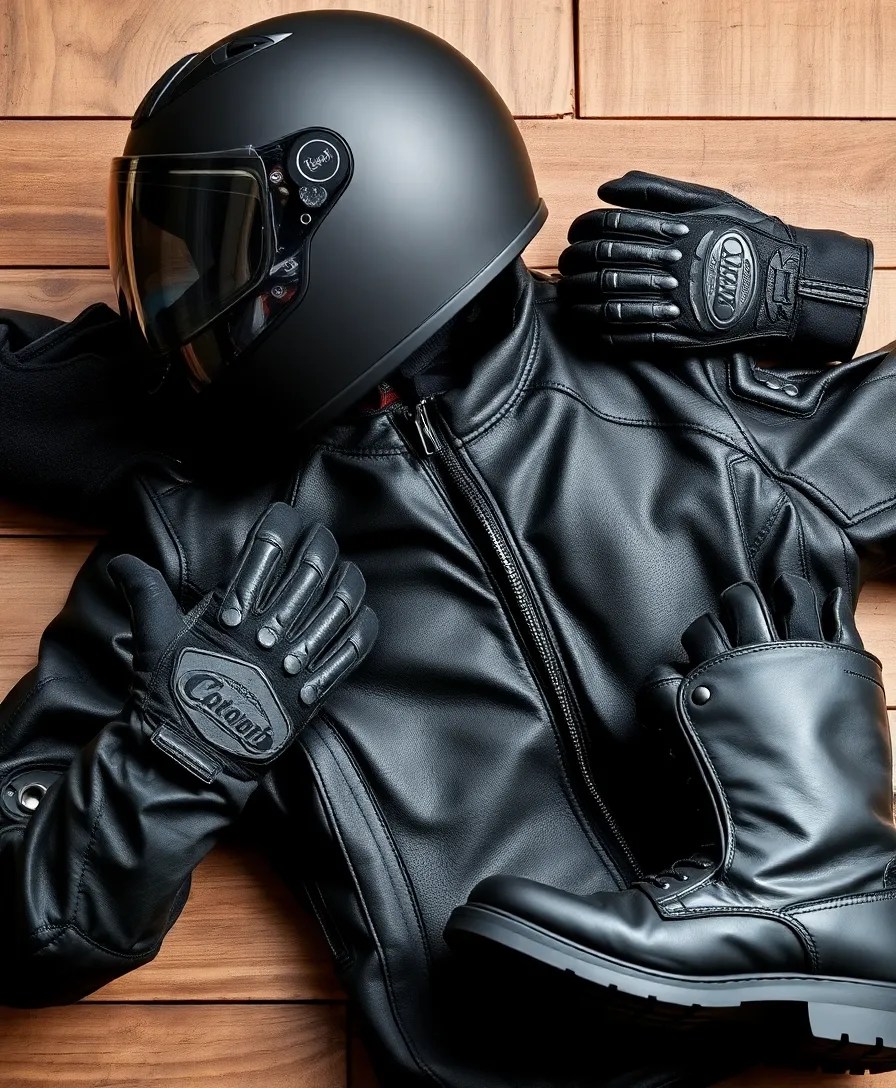
Your safety begins with the right gear.
Investing in high-quality protective clothing, including helmets, jackets, gloves, and boots, is non-negotiable.
Not only does protective gear reduce the risk of serious injury during an accident, but it also enhances your visibility on the road.
Make sure your helmet is DOT-approved, and choose jackets and pants made of abrasion-resistant materials.
Comfort and fit are equally important, as they ensure you remain focused on the road ahead.
2. Stay Visible
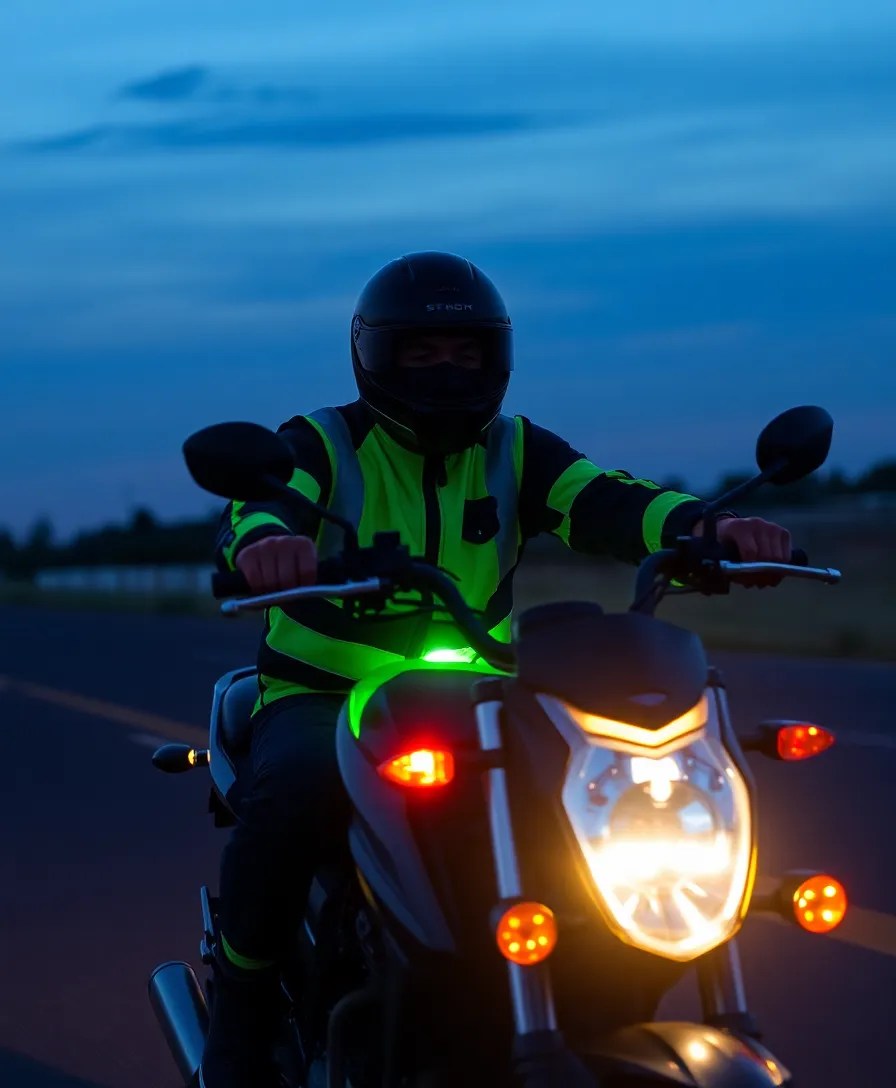
Visibility can be your best friend on the road.
Wear bright, reflective gear and use reflective tape on your bike to ensure other drivers can see you.
At night or during low visibility conditions, consider adding additional lights to your motorcycle.
Always position yourself in a way that maximizes your visibility to other vehicles, avoiding blind spots and ensuring that you can see others as well.
Remember, being seen is just as crucial as seeing.
3. Practice Defensive Riding
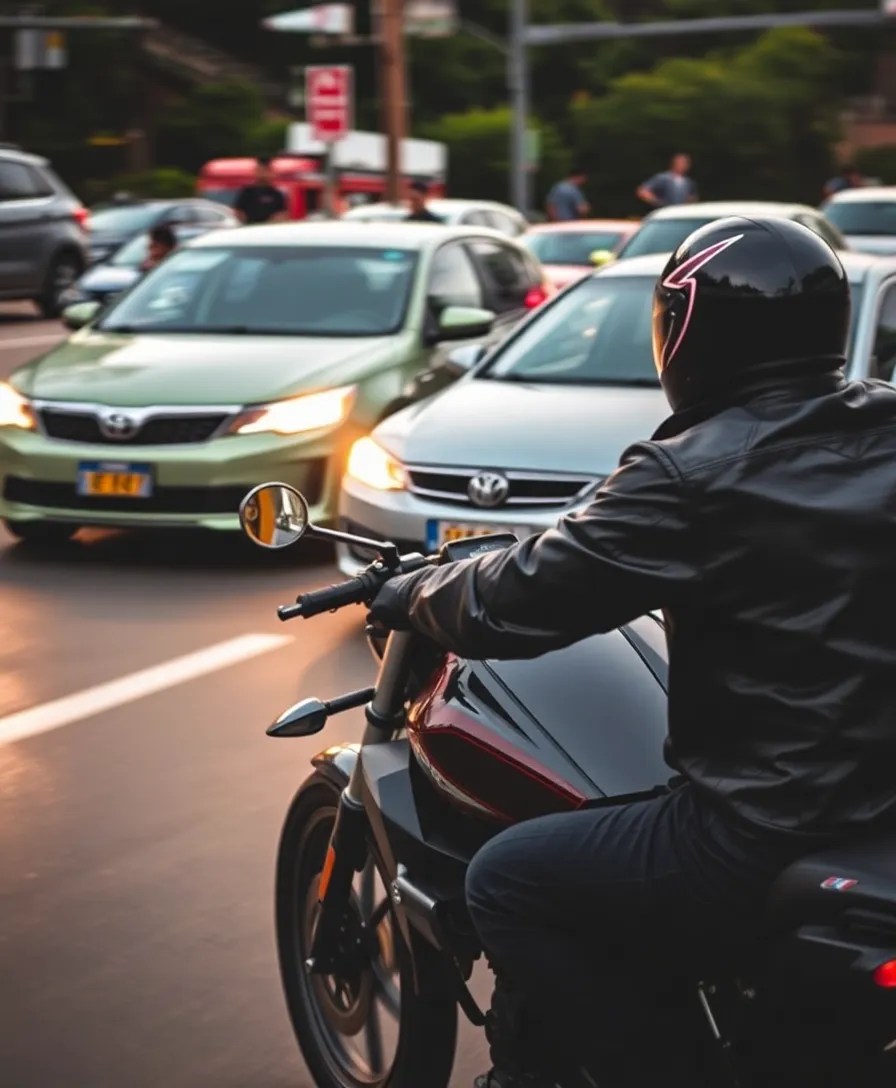
Defensive riding is all about anticipating the actions of other drivers.
Stay alert and aware of your surroundings; watch for erratic drivers and be prepared for sudden stops.
Keep a safe distance from vehicles, and always be ready to react to unexpected hazards.
By adopting a defensive mindset, you can significantly reduce your risk of accidents.
Remember that other drivers may not always see you, so it’s essential to ride as if you are invisible.
4. Maintain Your Motorcycle
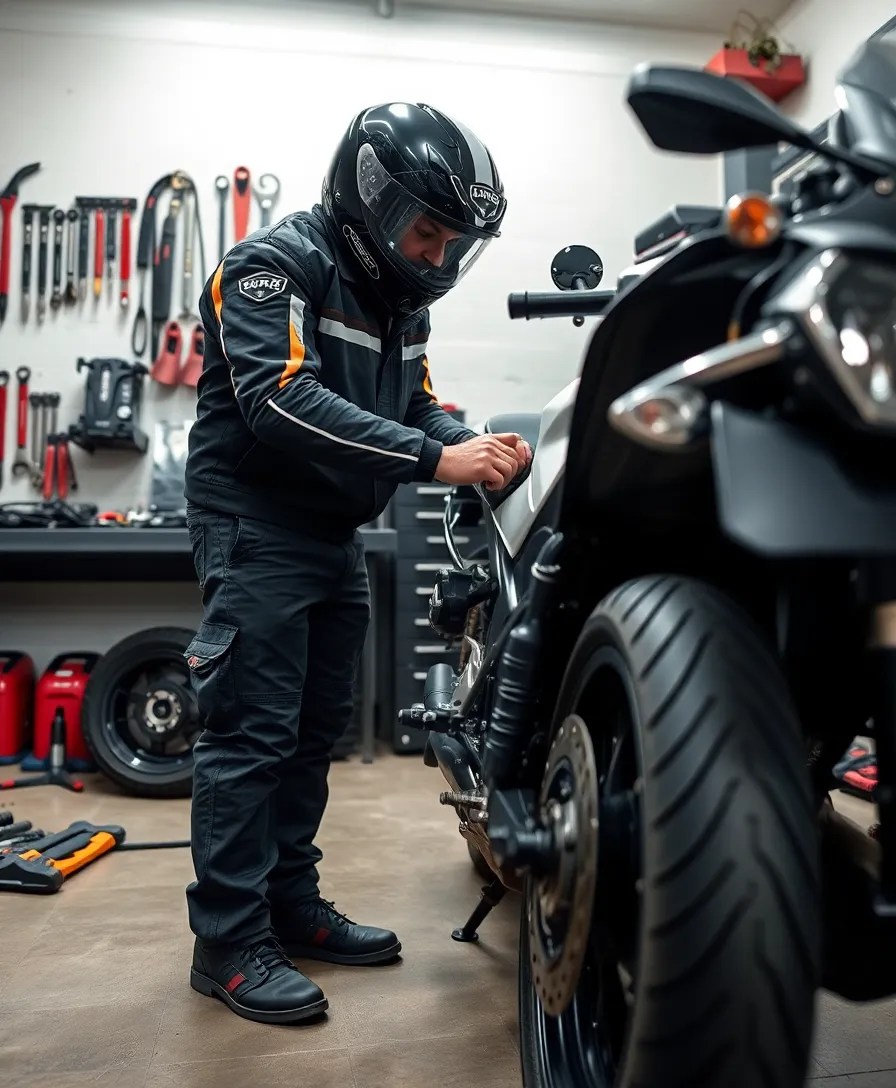
A well-maintained motorcycle is crucial for safety.
Regularly check your tires, brakes, lights, and fluid levels, and don’t neglect the importance of routine servicing.
Before every ride, conduct a thorough pre-ride inspection to identify any potential issues.
Keeping your motorcycle in peak condition not only enhances performance but also helps prevent breakdowns that could lead to accidents.
After all, a safe ride starts with a reliable machine.
5. Adjust Your Riding Style
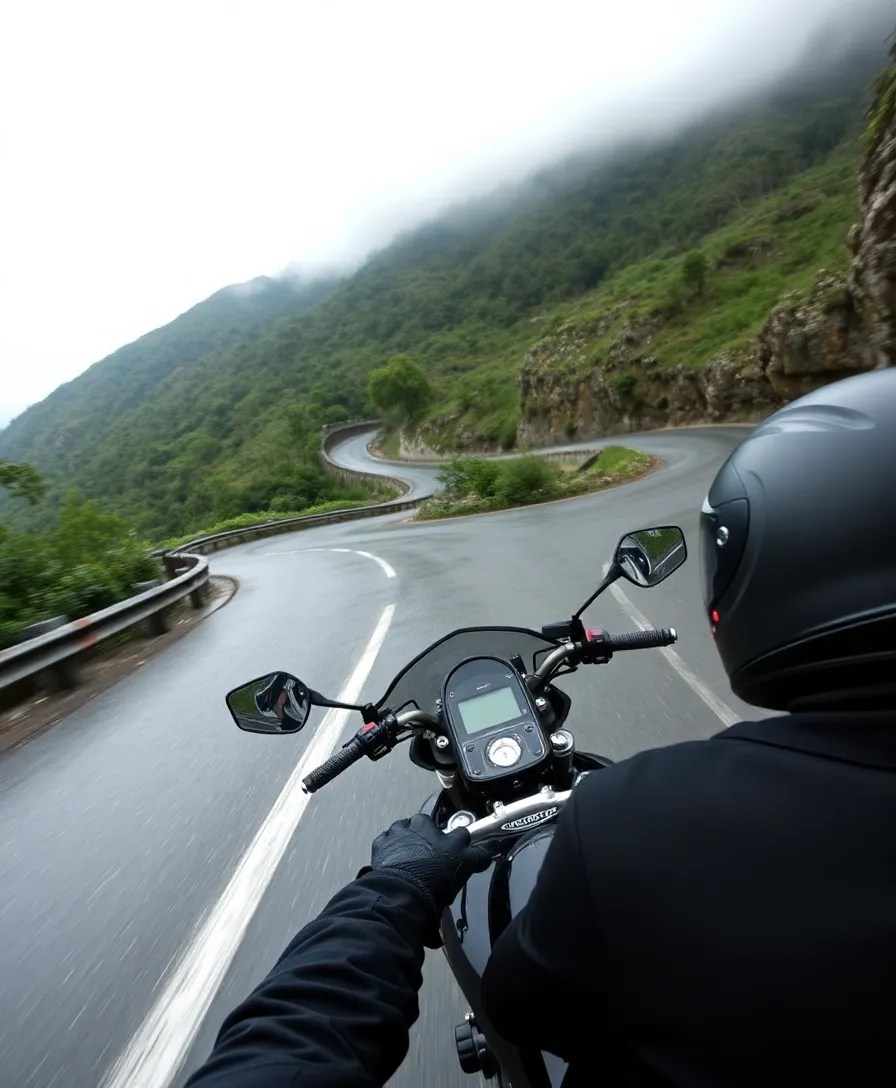
Your riding style can greatly impact your safety.
Adapt your speed and technique according to road conditions, weather, and traffic.
In wet or slippery conditions, be cautious and avoid sudden maneuvers.
Also, consider the weight of your motorcycle and how it handles; sometimes, adjusting your riding style can make all the difference in maintaining control.
Always ride within your limits and never hesitate to slow down when necessary.
6. Use Your Head – Literally!
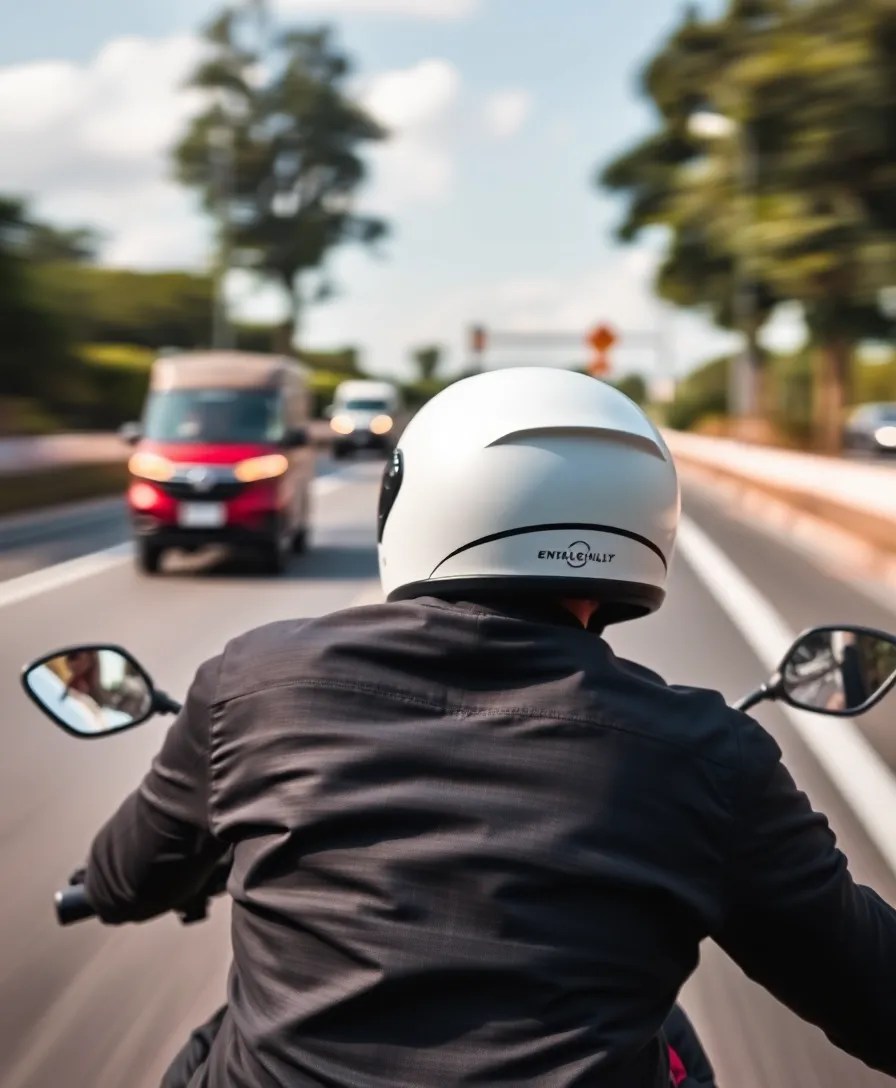
Head movements can enhance your awareness and safety on the road.
Make it a habit to look in the direction you want to go and actively scan your environment.
Turning your head to check blind spots and using your peripheral vision can help you notice potential dangers before they become a threat.
Additionally, head movements can communicate your intentions to other drivers, making you more predictable and safer on the road.
Stay engaged and keep your head on a swivel!
7. Know Your Limits

Understanding your abilities is crucial to safe riding.
Don’t overestimate your skills, especially when it comes to handling challenging terrains or high speeds.
If you’re feeling fatigued or distracted, it’s best to postpone your ride.
Take the time to build your skills progressively and consider taking advanced riding courses to enhance your techniques.
Remember, it’s better to ride safely within your limits than to risk an accident.
8. Keep a Safe Following Distance
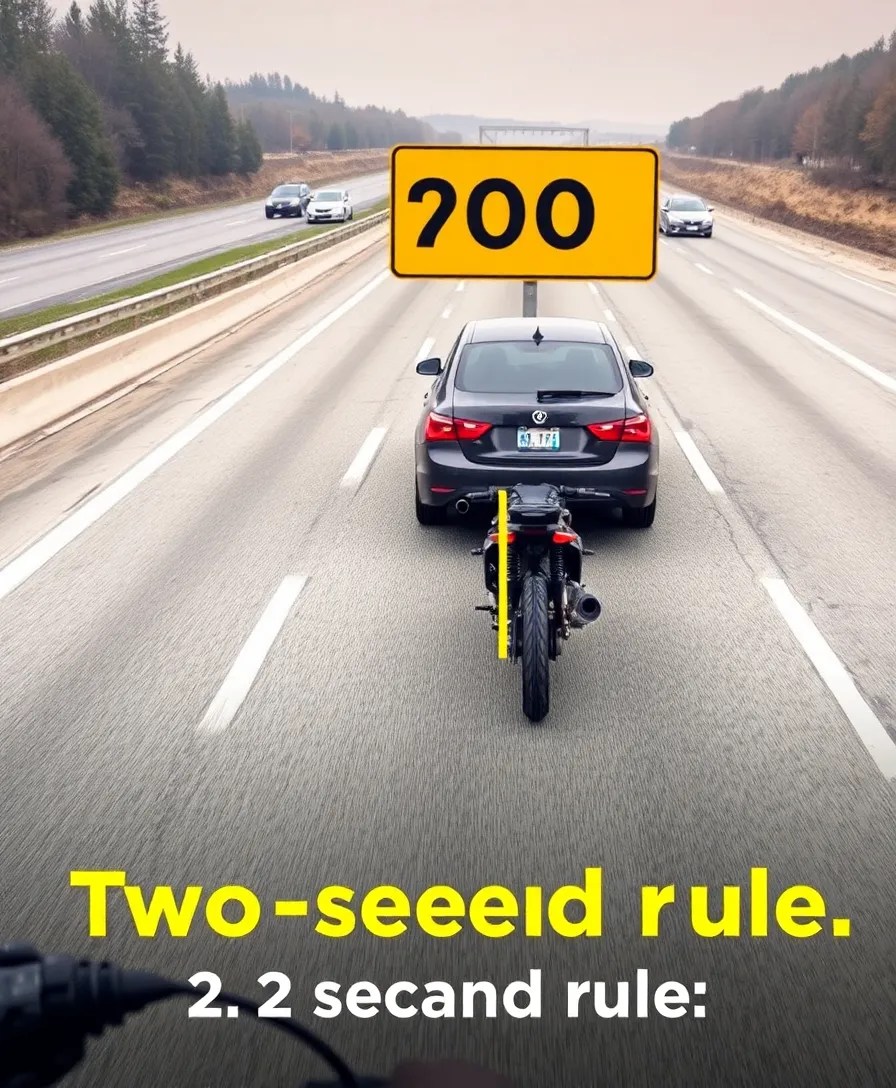
Maintaining a safe distance from other vehicles is essential for accident prevention.
A good rule of thumb is to keep at least a two-second gap between you and the vehicle ahead.
This distance gives you ample time to react to sudden stops or emergencies.
In adverse weather conditions, increase this distance even further to allow for longer stopping distances.
Always be prepared for the unexpected, and give yourself room to maneuver.
9. Avoid Distractions

Distractions can be fatal on a motorcycle.
Keep your phone out of reach, avoid engaging in conversations with passengers, and refrain from listening to music while riding.
Your full attention should be on the road, assessing traffic and conditions.
Practice mindfulness by focusing on your riding and surroundings.
Remember, every time you take your eyes off the road, you increase your risk of an accident.
10. Learn and Use Hand Signals
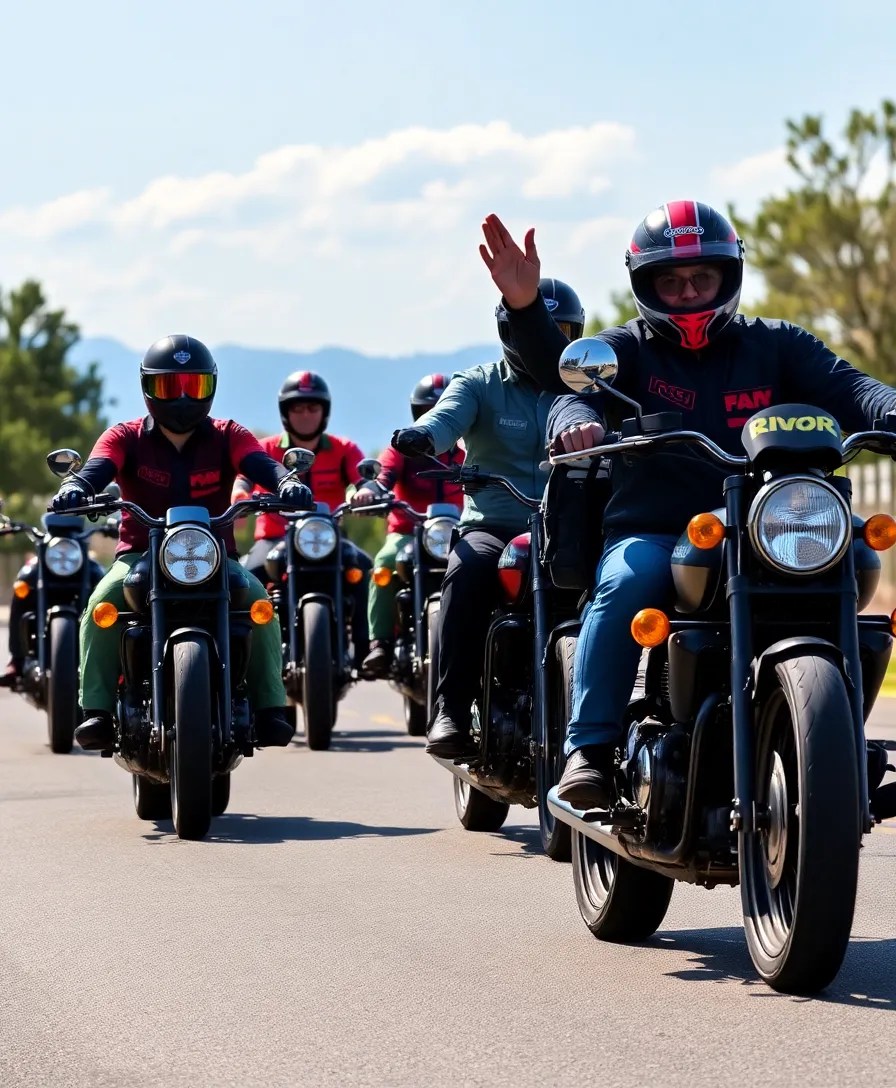
Communication is key on the road, especially for motorcyclists.
Familiarize yourself with hand signals to indicate turns, stops, and lane changes to other riders and drivers.
Using hand signals not only keeps you safe but also builds camaraderie with fellow riders.
Practice these signals regularly so they become second nature during your rides.
Being clear about your intentions can help prevent accidents caused by misunderstandings.
11. Plan Your Route
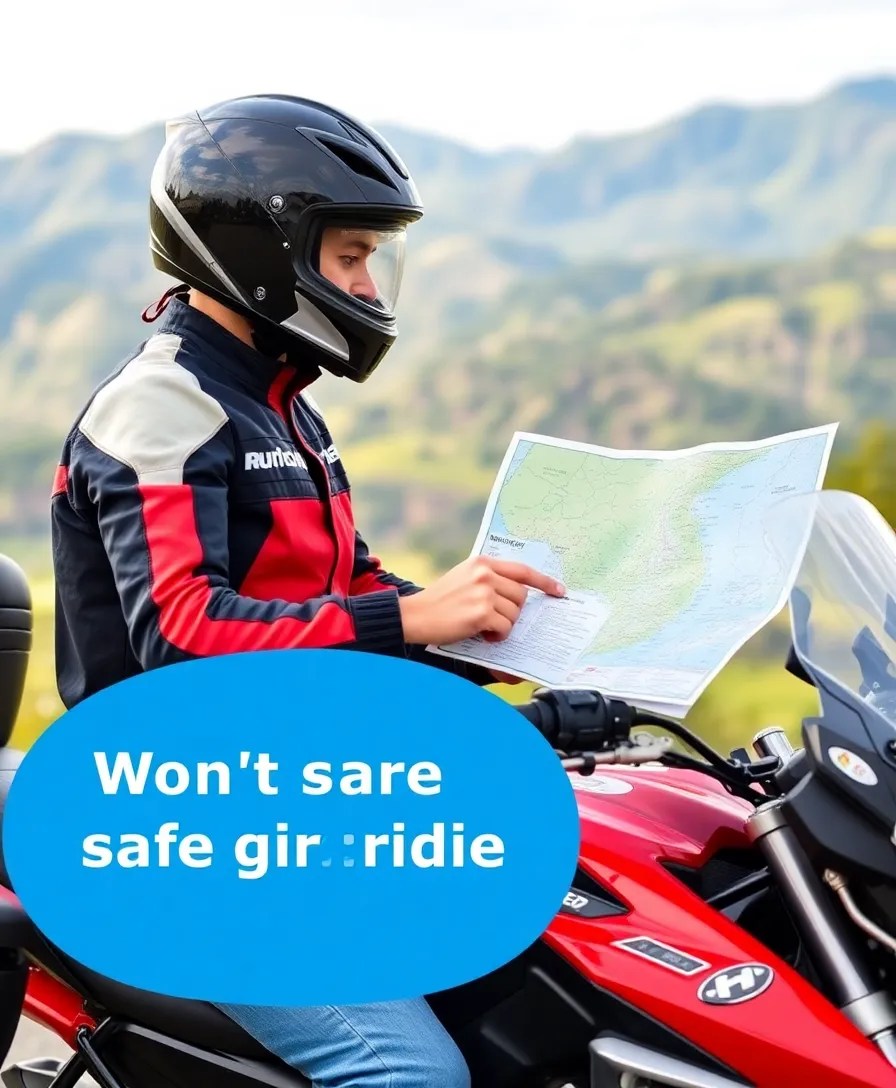
Planning your ride can greatly enhance your safety.
Before heading out, take the time to map your route, considering road conditions, traffic patterns, and potential hazards.
Avoid roads that you’re unfamiliar with or that are known for heavy traffic or poor conditions.
Having a clear plan allows you to ride with confidence and reduces the chances of getting caught off-guard.
Plus, it can lead to discovering beautiful scenic routes that enhance your overall riding experience.
12. Practice Emergency Maneuvers
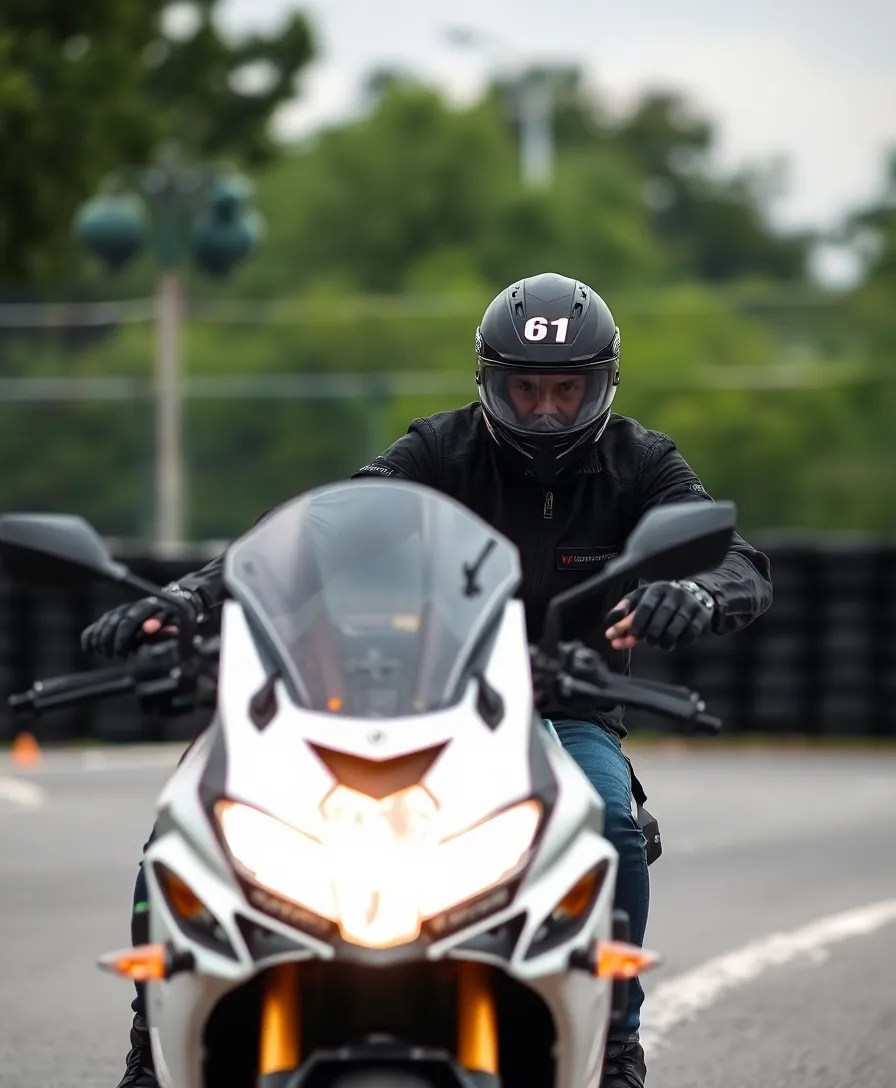
Being prepared for emergencies can save your life.
Regularly practice emergency braking, swerving, and other critical maneuvers in a safe environment.
Familiarizing yourself with how your motorcycle responds can help you react quickly during a real-life situation.
Consider taking a motorcycle safety course that includes practical exercises in emergency handling.
These skills can make the difference between a close call and a severe accident.
13. Stay Hydrated and Rested

Your physical state significantly affects your riding ability.
Before a long ride, ensure you are well-hydrated and rested to maintain focus and reaction times.
Take regular breaks during extended journeys to stretch and refresh your mind.
Fatigue can impair your judgment and slow your reflexes, increasing the risk of accidents.
Listen to your body; if you’re feeling worn out, it’s better to call it a day than to push through.
14. Be Mindful of Weather Conditions
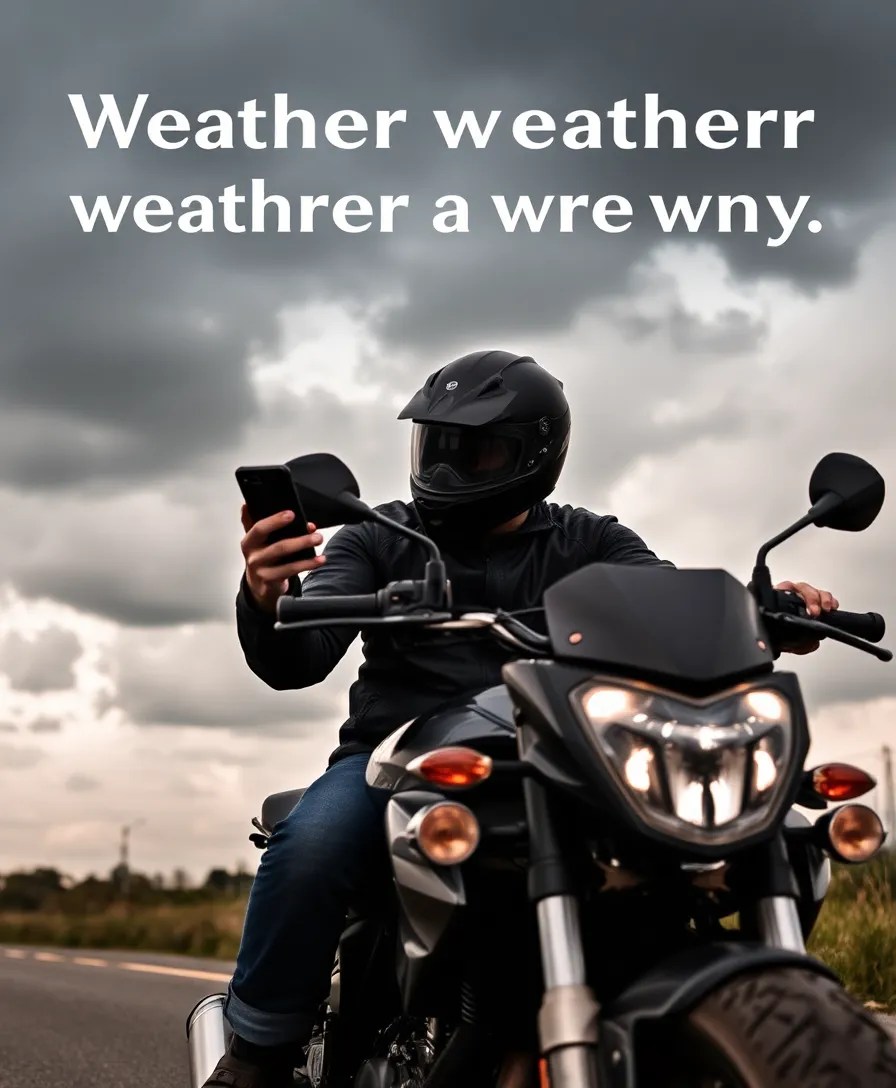
Weather can dramatically influence riding conditions.
Always check the forecast before heading out, and be prepared for sudden changes.
Rain, fog, and high winds can create hazardous situations; knowing how to adjust your riding can prevent accidents.
If conditions are unfavorable, consider postponing your ride.
Your safety is more important than getting on the road, so stay informed and ride wisely.
15. Ride with a Buddy

There’s safety in numbers.
Riding with a buddy not only makes the experience more enjoyable but also provides an extra layer of safety.
You can look out for one another and provide immediate assistance in case of an emergency.
Plus, riding together can enhance your awareness as you share tips and experiences.
Make it a regular practice to hit the road with a fellow rider for a safer and more enjoyable adventure.
16. Stay Informed About Local Laws
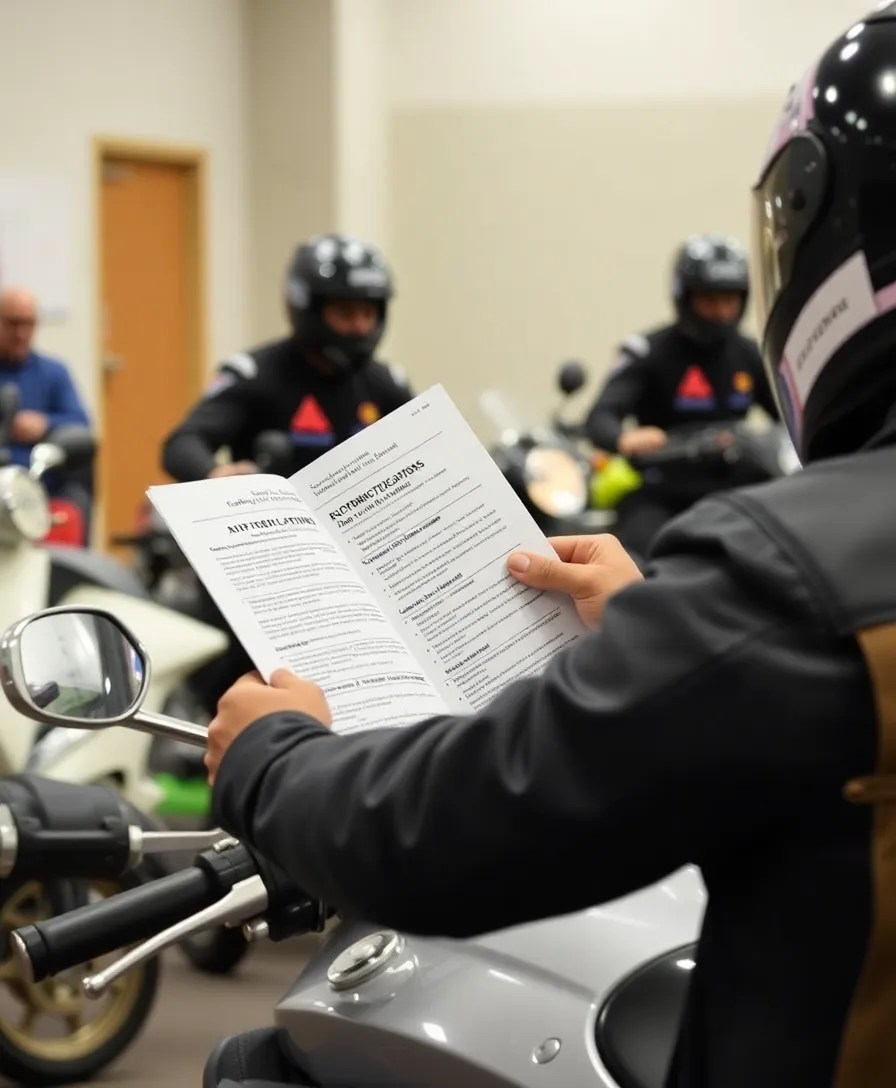
Every state has different motorcycle laws that can affect your safety.
Stay informed about licensing requirements, helmet laws, and other regulations in your area.
Understanding the laws can help you avoid fines and enhance your safety on the road.
Additionally, engage with local motorcycle communities to learn about any recent changes or safety initiatives.
Knowledge is power, and being aware of the laws can keep you safer.
17. Join a Motorcycle Safety Course
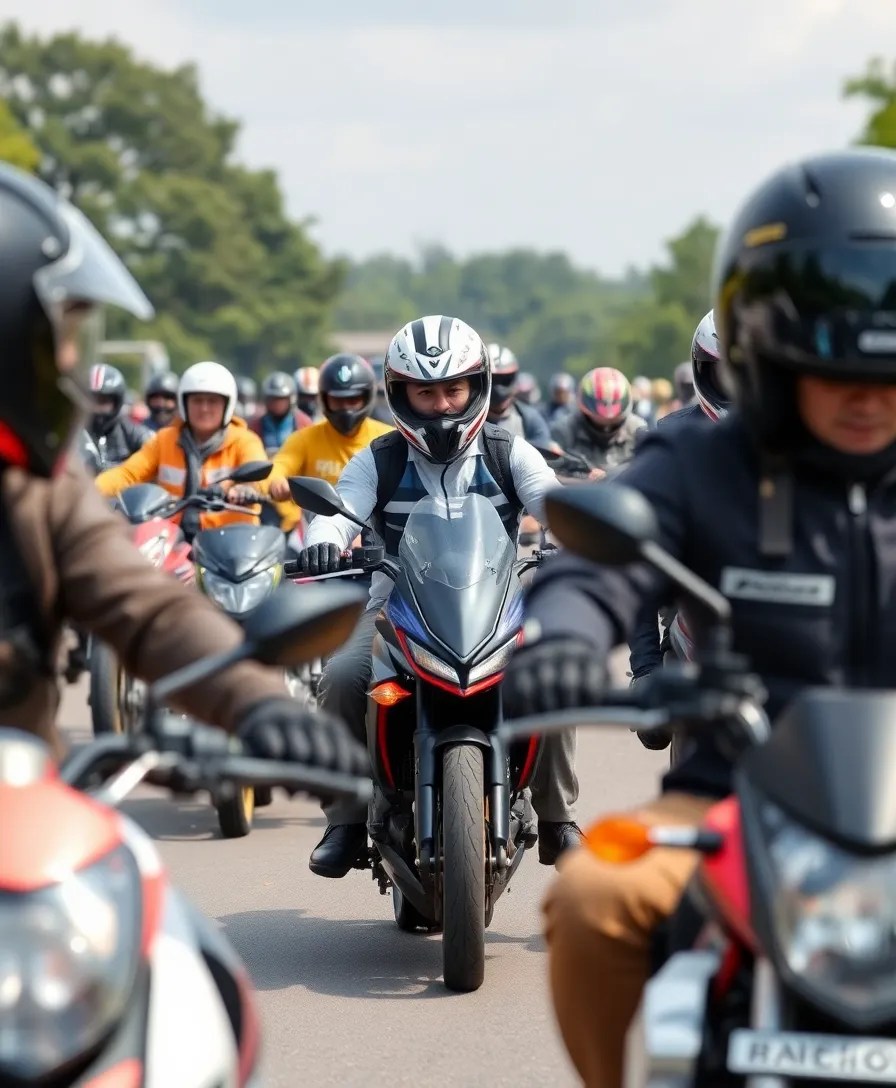
Education is a powerful tool for accident prevention.
Consider enrolling in a motorcycle safety course to refine your skills and knowledge.
These courses often cover essential topics such as emergency response, defensive riding techniques, and vehicle maintenance.
Not only will you learn valuable skills, but you may also receive insurance discounts upon completion.
Investing in your education is a step towards safer riding.
18. Create a Safety Plan
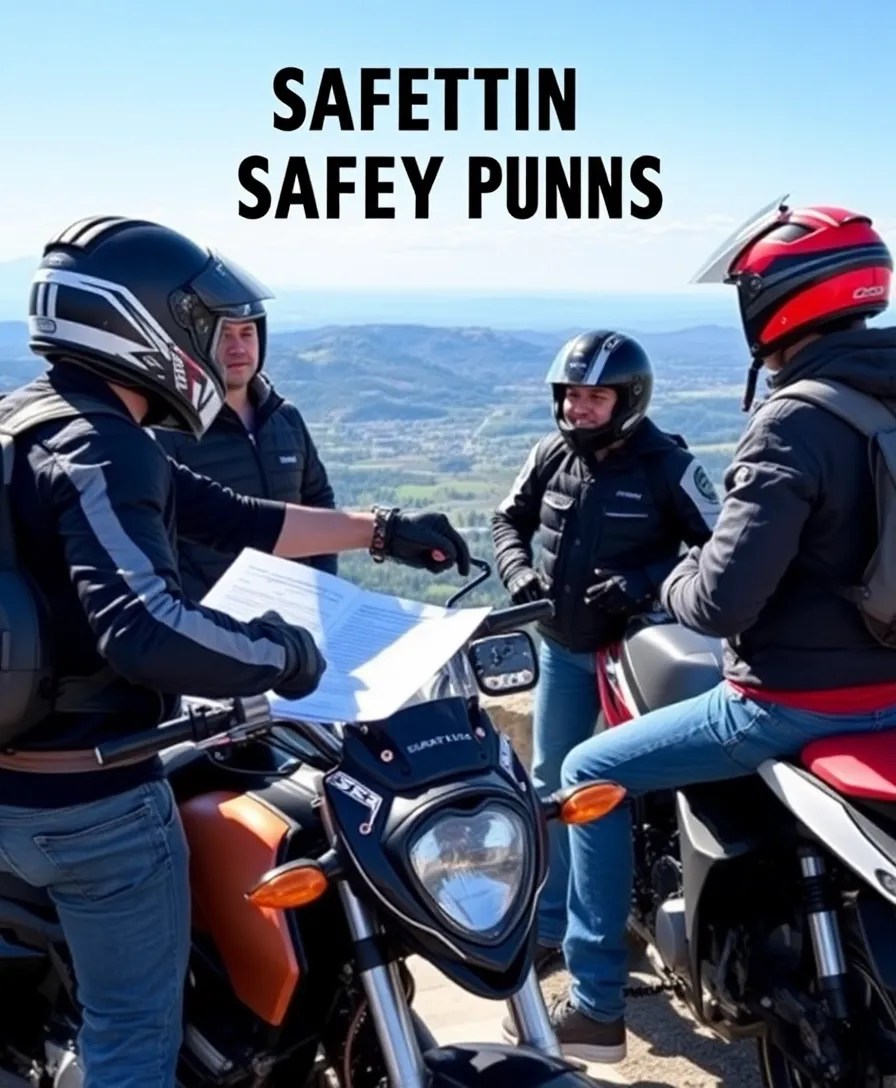
Having a safety plan can make a significant difference in emergencies.
Discuss potential scenarios with your riding buddies or family and establish protocols for what to do in case of an accident.
Ensure that someone knows your route and estimated arrival time.
Having a plan in place not only prepares you mentally but can also speed up response times in case of an emergency.
Safety should always be a priority, so take the time to create a comprehensive plan.
19. Stay Positive and Confident

Your mindset plays an essential role in riding safely.
Approach each ride with positivity and confidence in your abilities.
Stay calm and composed, even in challenging situations, as stress can impair your judgment.
Believe in your skills and experience, and always be willing to learn from every ride.
A confident rider is a safer rider, so keep your head held high and embrace the joy of riding.
Conclusion
Accident prevention is a shared responsibility that every motorcyclist must embrace.
By implementing these 19 tips, you can significantly reduce your risk and enjoy the thrill of riding with peace of mind.
Remember, safety should always come first, so ride wisely and keep these tips in mind for every adventure.
 Blogtent – Relevant, Useful, Tasty, Beautiful, and Interesting
Leave a comment